


Diet during exacerbation of the pancreas plays a big role in regeneration.A diet that relieves exacerbation of the pancreas is prescribed by the attending physician.
In the acute period, it is especially important to follow his instructions - this minimizes the risk of relapse and quickly relieves pain.
And if you follow instructions such as lifestyle, exacerbations of pancreatic problems can be avoided in the future.
Nutrition during exacerbation
In case of exacerbation of pancreatitis, gentle nutrition is recommended for at least 12 months.Over such a long period, the functions of the abdominal organs are almost completely restored, and the human body gets used to proper nutrition.This regimen allows you to avoid relapses in the future.
For the first time after an exacerbation of pancreatitis, the patient is prescribed diet No. 5, which has been agreed upon with the attending physician regarding the specificity and tolerability of certain foods.
Nutritional aspects:
- exacerbation with pancreatitis exacerbation with pancreatitis crushing food up to 6 times a day;
- small number of servings;
- temporary intake between meals 3-4 hours;
- warm food;
- a small amount of salt.
Under no circumstances should you overeat.If pancreatitis worsens in an adult, the best solution is hospitalization.According to hospital criteria, the diet will be followed unconditionally in case of the slightest eating disorder.
What can you eat if your pancreas is worsening?
Despite many restrictions, the diet prescribed to a patient with pancreatitis is quite varied.In particular, the diet contains protein, since its breakdown causes much less stress on the gland than consuming carbohydrates.
Lean meat and fish.It could be turkey, beef, chicken or rabbit.The best fish to choose are cod, carp, pike and pollock.
All products must be steamed or in the oven and served in soufflés, pastas, meatballs and balls, that is, in crushed form.
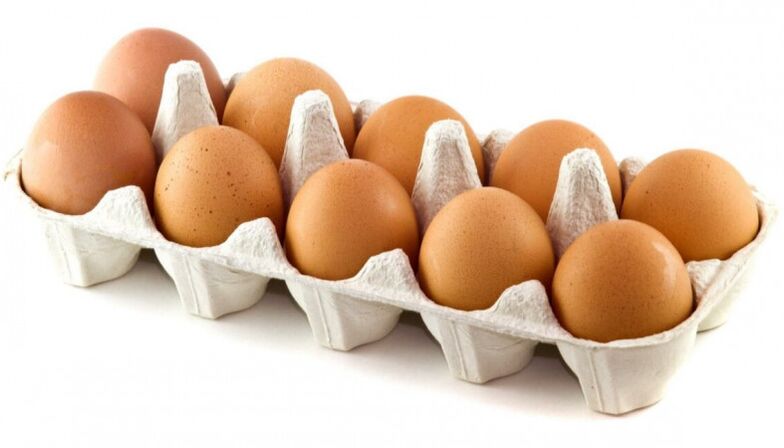
Eggs.The pancreatic diet includes egg dishes, with the exception of fried eggs.A good choice is a steamed egg white omelet.It is better to replace chicken eggs with quails, because the protein of the latter is much easier to digest.
Dairy and fermented milk products.Cottage cheese, fermented milk, kefir, sour cream, and yogurt are introduced into the patient’s diet according to the criteria of low fat content (no more than 1-1.5%).Curd is acceptable if it is fresh or steamed into pudding form.All cow's milk during an exacerbation of the pancreas is difficult to digest by the body.It is best to replace it with diluted or goat milk, which is hypoallergenic.
Cereals.It is recommended to introduce boiled oatmeal into the diet on the first day after the acute phase of the disease.Buckwheat, rice and semolina have a more beneficial effect on the stomach without causing a bad reaction in the pancreas.As for bread, it is better to temporarily exclude all types of wheat from the menu, or replace them with crackers or cookies.
DrinksNormal function of the digestive tract is impossible without sufficient water.For pancreatitis, you must use at least one and a half liters of clean water.Mineral water, jelly, rose or bran decoctions, herbal teas have a good therapeutic effect.It is very good to drink chicory for pancreatitis, which has a choleretic effect.
Nuts and seeds.After a period of long-term remission, walnuts, chestnuts or cashews can be introduced into the diet.They contain a minimum of fiber and in small quantities do not increase the load on the gland.
What to exclude from the diet
To prevent the transition of acute pancreatitis to the acquired stage, it is necessary to draw up a list of dietary restrictions, due to the fear of foods that stimulate the active functioning of the pancreas and taking into account personal intolerance to foods prohibited by pancreatitis.
Products prohibited by pancreatitis
The following should be completely excluded from your daily diet:
- fatty meat, lard and some types of fish (mullet, salmon, catfish, carp, halibut), as well as caviar;
- pork fat and lamb;
- rye bread;
- meat by-products (sausages, sausage rolls, sausages, sausages, etc.) and sausages;
- canned food, pickles, pickles;
- ground spices, seasonings and seasonings;
- some types of vegetables (radish, rutabaga, radish, onion and garlic, as well as white cabbage, mushrooms and legumes with a high content of solid fiber);
- sour fruits;
- orange, lemon, tangerine and other types of citrus fruits;
- candied fruit;
- condensed milk;
- sour cream, curdled milk and heavy cream;
- carbonated and coffee drinks;
- chocolate products, cakes, pastries, pies, marmalade, caramel, candies and other sweets.

Advice!It is better to avoid unhealthy foods (french fries, hot dogs), French fries, crackers, and salted nuts forever to avoid exacerbation of the disease.
In addition, you should limit your alcohol consumption (not only hard drinks, but also low-alcohol cocktails).
Alcohol can cause the sphincter of Oddi (a valve device that allows the movement of enzymes in the digestive tract and prevents the immediate release of digested food) to contract.
After ingestion, the “hot” valve may not open in time, and the digestive juice will be blocked in the ducts, which will lead to an exacerbation of the attack and unpleasant consequences.
List of foods for pancreatitis
During the first 2-3 days of fasting and drinking, it is prescribed with a pronounced inflammatory process.The amount of water used, the frequency of administration, the volume of each portion used is determined by the doctor depending on the severity of the patient’s condition.The approximate daily volume is 2.5 liters.
Carbonated, fried or cold drinks are strictly not recommended - the water temperature should be comfortable and not irritate the mucous membrane.If a sick woman can drink and there is no repeated vomiting, the following is allowed:
- mineral alkaline water in warm form without gas;
- weak tea;
- compotes;
- jelly.
Drink a few sips, but often.
If, due to the severity of the patient's condition, it is necessary to extend the drinking regime for more than 3 days, if dyspeptic symptoms occur, and treatment should be continued in a good therapeutic department, intravenous glucose and vitamins should be administered.
Estimated daily menu review
A raw diet is not a suggestion.You can prepare many spicy and necessary dishes from the permitted product.Before using a balanced diet for every day, you must consult your doctor and take into account all his instructions.
But if you can’t contact a specialist, a sample menu will help ease this process, which contains all the necessary products in acceptable doses and indicates the recommended timing of intake.
1st breakfast (7.00 - 7.30)semolina pudding
The first breakfast should be light, but also nutritious to provide the body with the necessary energy.It could be slimy soup, semolina porridge, cottage cheese casserole or rice porridge with fruit.Sweets lovers will definitely love cottage cheese with jam.Drinks should be mineral water or weak tea (chamomile, mint or rosehip).Milk can be added to tea.

2nd breakfast (9.00 - 9.30)baked apple
The second breakfast includes light snacks to replenish your energy, so you can opt for a baked pear or apple (skinless), enjoy a fruit jelly, eat a small banana or drink yoghurt.
Lunch (12.00 – 12.30)pearl barley soup with crackers
Regardless of your dietary restrictions, the most enjoyable dinner should be to treat your pancreatitis.You can make crushed pearl barley soup with crackers, hash browns (carrots), or potato patties.You can eat lunch with compote or milk.
Afternoon tea (16.00 – 16.30)fruit mousse
Before dinner, you definitely need to prepare an afternoon snack, which may include oatmeal jelly with a dried piece of bread, milk jelly, fruit mousse or cottage cheese.
Dinner (20.00 - 20.30)Buckwheat
To avoid nutritional deficiencies, you should serve buckwheat, semolina or rice, pasta with vegetables or fish balls with vegetable puree for dinner.The property of the drink is a weak tea that can be diluted with milk.The last item in your daily diet may be half a glass of low-fat kefir, which is best drunk before bed.
Advice!When cooking, you should not add salt to your food.It is allowed to add a little salt to food only before serving, but its volume should not exceed 10 g per day.
The body will need time to recover from the exacerbation, because the pancreatitis diet is preferably followed by a long period (6 to 12 months), strictly following all the instructions and advice of the doctor.
Dietary toughening recipes
Potato balls with chicken
We need: potatoes, chicken breasts, carrots, herbs, onions, vegetable oil.
Boil the chicken breast and pass through a meat grinder or blender along with boiled carrots and small onions.
Cook the potatoes and puree them.We form a circle of puree, to which we add fine minced meat, and form a ball.The balls are placed in the freezer for half an hour.

Frozen balls are placed in a steamer or oven.When baking in the oven, the balls should be placed in a mold previously greased with a small amount of vegetable oil.Preheat the oven to 220°C. When serving, sprinkle with herbs.
Pearl grill
We will need: a little vegetable oil, one carrot, one onion, water (about 0.5 l), one tomato.
Pour water into the pearl barley and cook for 45 minutes until it boils.Then drain off the excess water, add a drop of olive oil, and leave it covered.
Fry chopped onion with a tablespoon of vegetable oil, add grated carrots, finely chopped tomato, simmer for about 10 minutes over low heat under the lid.Pearl barley is passed through a blender, stewed vegetables are added, combined and left covered for another 5-6 minutes.
Homemade sausage
Take: 700 g chicken breast, 300 ml sour cream, 3 egg whites, a little salt, vegetables if desired.
We cut the raw breast and put it through a blender until soft.Add protein, a little salt, and vegetables if necessary.
Pour the cooled cream into the resulting mass and knead.
Separate a third of the minced meat on the adjacent foil and form a sausage, pulling out the edges with thread.Thus, we prepared three sausages.Boil water in a large frying pan, after boiling, reduce the heat (so that the water does not boil, but maintains its temperature).We place the sausage in the pan and place it on a saucer on top to prevent them from appearing.Cook for an hour.Remove the pan from the pan, cool and then remove the foil.Slice and serve.
Diet after an exacerbation of the disease
Diet after an exacerbation of pancreatitis provides some relief.Nuts, seeds, pasta, oil and other products are introduced into the patient’s diet gradually.It should be the same as during an exacerbation of the disease, monitor the frequency of meals and small portion sizes.You should eat every 3 hours to avoid mixing different types of fats, proteins and carbohydrates at one meal.
Once the acute symptoms of pancreatitis have resolved and a serious diet has been followed, the client should remain on Diet No. 5. For pancreatitis that has caused endocrine disruption, at least some sweet foods, including honey, are prohibited.
What can you eat with pancreatitis if the symptoms of acute manifestations of the disease have passed:
- pasta;
- dried bread;
- oatmeal;
- barley;
- vegetable oils;
- boiled or baked fruits and vegetables;
- jellies and compotes;
- lean meats and fish;
- the freshest fermented milk products;
- testis;
- butter

Such dietary products are not suitable for casual consumption.Oil should be consumed in small quantities, adding cereal flakes, vegetable stew, etc. to it.
When choosing kernels in a food product, you should give priority to protein.Soups and casseroles are prepared at the base.Fermented milk products have a beneficial effect on the digestive tract.As in the case of a severe form of the disease, when the disease disappears, cottage cheese, kefir and other fermented milk products should be fresh and low-fat.You can drink weak teas, herbal decoctions, chicory.
To prevent the disease from getting worse again, the following remain prohibited:
- cupcakes and pastries;
- pickled, young, fatty, smoked products;
- legumes;
- alcohol;
- fatty types of cheese, sausages;
- cream, cream;
- onions, garlic, radishes, sorrel, rhubarb;
- dates, figs;
- grapes, sour apples, citrus fruits;
- all sauces and spices;
- soda.
A balanced diet for pancreatitis improves the human digestive system, including the pancreas.Thanks to this, the organs are restored evenly.
Help at home with exacerbation
In the case of acute inflammation, the following will help:
- complete rest during the period of kidney pain;
- ice in the area of inflammation (preferably a heating pad with cold water);
- fast for at least 3 days.
Complete abstinence from food during this period will allow the pancreas to calm down, stop the production of enzymes and, as a result, reduce the acute, sometimes unbearable pain.
In the first days, only the following drinks and goods are allowed for consumption:
- weak tea without sugar;
- wild rose broth;
- still mineral water;
- in exceptional cases, after hunger, it is allowed to eat cakes or cookies in small doses.